Mastering Health and Wellness Content Marketing: How to Build Trust and Authority
Key Takeaways
- Trust is Foundational: Due to widespread skepticism, building trust through credible, high-quality content is the most critical element of health and wellness marketing.
- E-E-A-T is Non-Negotiable: Google’s standards for Experience, Expertise, Authoritativeness, and Trustworthiness (E-E-A-T) are the absolute price of entry for ranking in the health space.
- Empower, Don’t Just Sell: The primary goal should be to empower the audience with accurate, actionable information, positioning the brand as a trusted guide rather than a mere seller.
- Credibility is Built Through Process: A rigorous content creation process must involve subject matter experts (SMEs) for writing or review and require citations from high-authority sources like medical journals.
- Precision is Paramount in High-Stakes Niches: Specialized areas like direct medical content and the longevity industry demand an even higher level of accuracy, transparency, and ethical responsibility.
What You Should Know
The health and wellness space is unlike any other. Consumers are constantly bombarded with information, miracle cures, and conflicting advice. This has made them incredibly, and rightly, skeptical. In this industry, trust isn’t a bonus feature; it’s the absolute foundation of the relationship between a brand and its audience.
People are actively looking online for answers to their most sensitive questions. In fact, a significant majority of consumers (83%) use search engines like Google to find health information. Yet, this search for knowledge is paired with deep-seated caution. While they search online, a study found that 49.5% would still prefer to go to their physician first for specific health advice, showing a strong preference for traditional expertise. This skepticism naturally extends to new technologies, with less than half of the public (41%) saying they would trust an AI-powered app to manage their healthcare.
So, how can a brand break through this wall of doubt? The answer is strategic health and wellness content marketing. This isn’t about flashy ads or loud promises. It’s about meticulously earning credibility and demonstrating genuine expertise, one piece of valuable content at a time. The quality of your content has a direct and measurable impact; studies show that user trust is significantly correlated with the quality of digital health information.
By committing to a high standard of content, brands can shift from being just another product on the shelf to a trusted partner in their customers’ health journeys. Offering valuable information allows you to develop strong, lasting relationships with your audience. Ultimately, high-quality content is a core business strategy that helps establish a brand’s authority in this critical space.
This article will provide a comprehensive, actionable framework to build a content strategy that earns lasting trust and establishes undeniable authority. We will give you a roadmap that aligns with what both search engines and users value most, positioning you as a reliable resource. Following these principles is a direct way to position your practice as a trusted authority in the eyes of Google and your future customers.
Table of Contents
- The Foundation: Why Health & Wellness Content Is a Class of Its Own
- The Blueprint: Developing Your Content Strategy for Health Brands
- Navigating High-Stakes Niches with Precision
- Conclusion: Your Content is Your Commitment
- Frequently Asked Questions
The Foundation: Why Health & Wellness Content Is a Class of Its Own
Creating content in the health sector carries a weight of responsibility far greater than in other industries. Your words can directly influence a person’s choices about their body and mind. Because of this, the rules are different, and the standards are higher. A successful content strategy for health brands must be built on a foundation of trust, ethics, and a genuine desire to serve the user.
The Non-Negotiable Standard: Google’s E-E-A-T
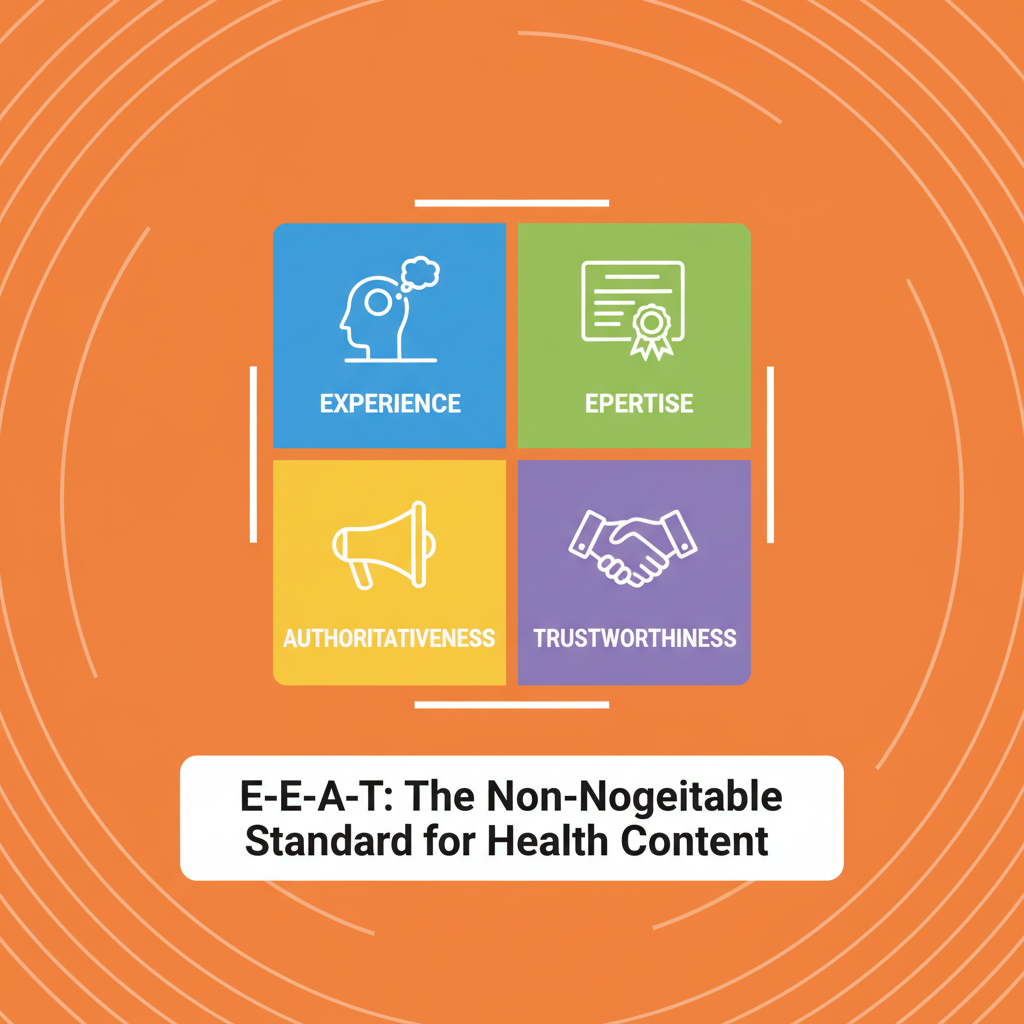
If you operate in the health space, you must know about E-E-A-T. This acronym stands for Experience, Expertise, Authoritativeness, and Trustworthiness. It’s the framework Google’s quality raters use to evaluate content, especially for topics it calls “Your Money or Your Life” (YMYL). Health and wellness fall squarely into this category because the information provided can significantly impact a person’s well-being, safety, or financial stability. This same principle applies to other YMYL fields where trust is paramount, such as legal services and real estate.
For health brands, E-E-A-T isn’t just a suggestion to improve SEO; it’s the absolute price of entry. To build trust and rank effectively, it’s essential for healthcare brands to prioritize E-E-A-T in every piece of content they produce. In practice, this means your content must demonstrate real-world experience, be written or reviewed by qualified experts, establish your brand as a leading authority on the topic, and be transparent and trustworthy. As Google uses it to evaluate content quality for high-stakes topics, ignoring it means you won’t be visible to the people you want to help. Meeting these standards isn’t a simple task; it necessitates a meticulous and collaborative content workflow.
Beyond SEO: An Ethical Responsibility to Your Audience
The stakes in health content go far beyond search engine rankings. Spreading misinformation, even unintentionally, can cause real-world harm. A person might delay seeking necessary medical care, try an unsafe home remedy, or experience severe anxiety based on inaccurate information they read online.
Because of this, health and wellness brands have a profound ethical duty to provide information that is accurate, safe, and based on solid evidence. This commitment to accuracy isn’t just about doing the right thing; it’s also a powerful competitive advantage. In a sea of conflicting claims and questionable advice, businesses that publish medically accurate and helpful content are the ones that truly stand out and earn the audience’s loyalty.
From Selling to Serving: The Goal of Empowerment
Traditional marketing is often product-centric. Health and wellness content marketing must be user-centric. The primary goal should not be to sell a product but to empower your audience with the knowledge they need to make better, more informed decisions about their health.
This shift in perspective is transformative. When you focus on education and empowerment, you stop being a seller and become a trusted guide. This approach builds a deep, lasting brand loyalty that transactional marketing can never achieve. By focusing on helpfulness, your brand becomes associated with positive health behaviors and their benefits, creating a powerful connection that drives both impact and business growth.
The Blueprint: Developing Your Content Strategy for Health Brands
A successful content strategy for health brands is not accidental. It is a deliberate, methodical process designed to build credibility and deliver immense value. While foundational content principles are shared across industries like the tech sector, the ethical stakes in health require a far more rigorous approach. This blueprint breaks down the essential steps to create a strategy that resonates with your audience and meets the highest standards of quality.
Step 1: Deep Audience Understanding
Before you write a single word, you must understand who you are talking to on a deep level. Go beyond basic demographics like age and gender. Create detailed user personas that explore their specific health journey. This focus on the user’s journey is a critical component of any effective marketing plan, whether you’re in healthcare or helping clients through the complex real estate process.
Ask critical questions to build these personas:
- What are their primary health goals? (e.g., managing a chronic condition, improving athletic performance, reducing stress)
- What are their biggest fears and anxieties related to this goal?
- What misinformation are they likely encountering online?
- What are the practical barriers preventing them from achieving their goals? (e.g., time, cost, lack of knowledge)
Remember their behavior. We know that a large majority (83%) of consumers are using search engines to find answers. However, their search is driven by a desire for true expertise. The fact that nearly half would still prefer to see their physician shows that your content must aim for a level of reliability and trustworthiness that rivals a professional consultation.
Step 2: Strategic Topic Ideation and Keyword Clustering
Once you understand your audience, you can identify topics that truly matter to them. Instead of chasing random, high-volume keywords, adopt a “topic cluster” model. This approach involves creating a central, authoritative “pillar” page on a broad topic and linking out to more specific “cluster” articles that explore subtopics in greater detail. This structure signals to search engines that you have comprehensive authority on the subject.
Example: A Brand Focused on Mental Wellness
- Pillar Page: “The Ultimate Guide to Managing Anxiety”
- Cluster Content:
- “5 Mindfulness Techniques to Calm Your Mind”
- “How Gut Health Affects Your Mood and Anxiety Levels”
- “Cognitive Behavioral Therapy (CBT) for Social Anxiety”
- “The Link Between Sleep Deprivation and Anxiety”
- “A Beginner’s Guide to Starting a Meditation Practice”
This model organizes your content logically for users and demonstrates your deep expertise to search engines, boosting your authority across the entire topic.
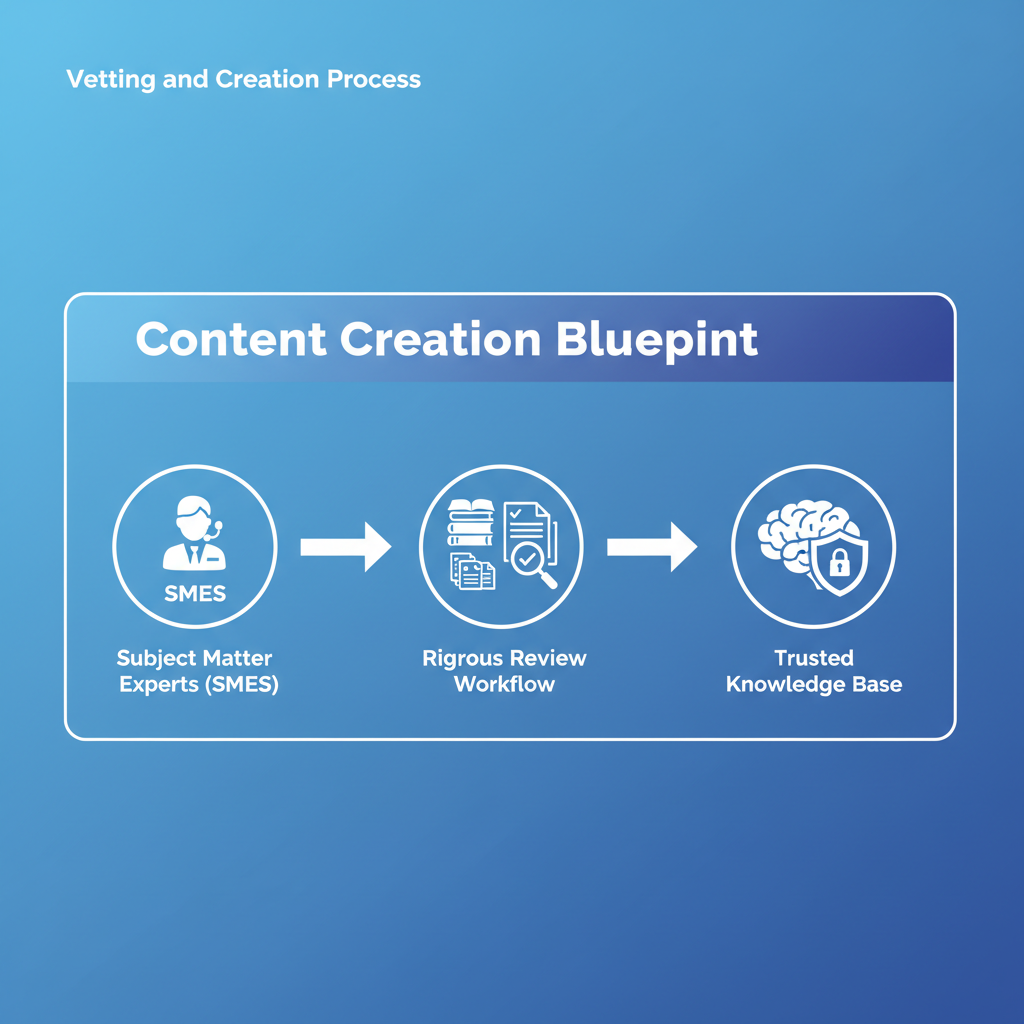
Step 3: A Vetting and Creation Process Built on Credibility
This step is the most critical part of any medical content marketing plan. How you create and vet your content determines whether you build or erode trust.
- Use Subject Matter Experts (SMEs): Your content must be written, or at the very least, reviewed and fact-checked by credentialed professionals. This could be a doctor, a registered dietitian, a clinical psychologist, or a certified personal trainer, depending on the topic. Always feature the expert’s name, credentials, and a short bio on the article. This transparency is crucial for E-E-A-T, a standard that is equally vital when creating content for other expert-led fields, such as law firms. To deliver accurate information, your content strategy should rely on credible sources, including interviewing medical experts. Their involvement acts as a powerful form of social proof, helping to reinforce the perception of quality and safety that consumers demand. Your workflow must include a formal review process; it is “absolutely critical” for creating high-quality healthcare content.
- Cite Credible Sources: Every claim, statistic, or piece of medical information must be backed by a high-authority source. This is non-negotiable. Mandate that your writers link directly to peer-reviewed studies, established medical journals (like The Lancet or The New England Journal of Medicine), and reputable government health organizations (like the CDC, WHO, or NIH). A key tip for success is to “clearly and accurately cite your sources,” ensuring they are reputable. Furthermore, this practice is a direct SEO signal; best practices for E-E-A-T include using links from authoritative sources within your content.
Step 4: Choose Content Formats that Radiate Authority
The format of your content can also signal its quality and depth. While short blog posts have their place, prioritize formats that allow for comprehensive, evidence-based explanations.
Consider these high-authority formats:
- Long-form, evidence-based guides: These are deep dives (3,000+ words) that cover a topic from every angle, complete with dozens of citations.
- Expert interviews & Q&As: Feature a leading professional in your field in a video or text-based interview to share their unique insights.
- Downloadable whitepapers or eBooks: For scientifically dense topics, package the information into a detailed resource that users can save and reference.
- Webinars with medical professionals: Host live events where your audience can interact directly with an expert, ask questions, and get real-time answers.
By investing in these robust formats, you demonstrate a serious commitment to providing valuable, credible information.
Navigating High-Stakes Niches with Precision
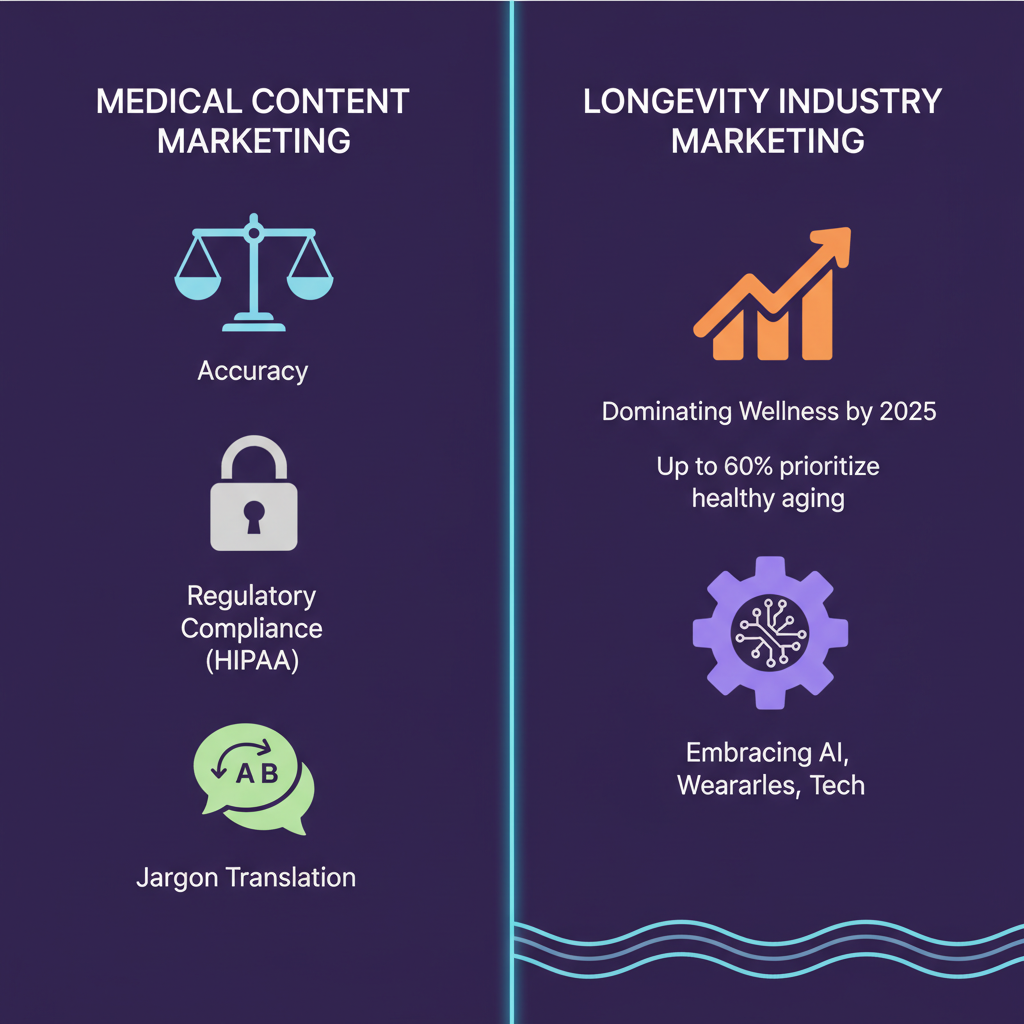
While the core principles of trust and expertise apply to all health content, certain high-stakes niches demand even greater precision and care. Two such areas are direct medical content and the rapidly emerging longevity industry.
The Specifics of Medical Content Marketing
When your content deals directly with medical conditions, treatments, or pharmaceuticals, the need for accuracy and regulatory awareness is amplified. Medical content marketing requires an unwavering commitment to clarity and compliance.
Your content must be precise and adhere to industry regulations, such as HIPAA in the United States, regarding patient privacy. It is also essential to include clear, prominent disclaimers stating that the content is for informational purposes only and is not a substitute for professional medical advice. Producing content that adheres to Google’s stringent E-E-A-T guidelines demands a meticulous workflow. This is where a formal review and approval process becomes indispensable for ensuring quality and maintaining your brand’s authority.
A key skill in this niche is the ability to translate complex medical jargon into accessible, patient-friendly language without losing accuracy. For example, instead of just using the term “hypertension,” explain it as “high blood pressure” and then break down what the systolic and diastolic numbers mean in simple terms. This makes vital information understandable and usable for the average person.
The Frontier: Longevity Industry Marketing
The longevity space is one of the most exciting and fast-growing niches in wellness. What was once considered a niche for “biohackers” has evolved into an aspirational lifestyle for a mainstream audience. The market potential is enormous; one report predicts that longevity is “set to dominate the wellness sector in 2025.” This interest is widespread, with up to 60% of consumers reporting that healthy aging is a top priority.
Content themes that resonate in longevity industry marketing include:
- Preventative health strategies
- The science of aging (e.g., cellular senescence, mitochondrial health)
- Evidence-based “biohacking” techniques
- Personalized nutrition and supplementation
Consumers in this space are often tech-savvy and data-driven. The longevity sector embraces modern technology like AI, wearables, and data analytics, making health tracking feel more cutting-edge. Popular trends to cover include personalized nutrition and the critical importance of prioritizing sleep for long-term health.
However, the forward-thinking nature of this niche requires extreme responsibility. Your content must clearly distinguish between well-established science and emerging, speculative theories. It’s important to capture the excitement of the field without over-promising or promoting unproven treatments. Transparency is key to building sustainable trust in a category that is still defining itself.
Conclusion: Your Content is Your Commitment
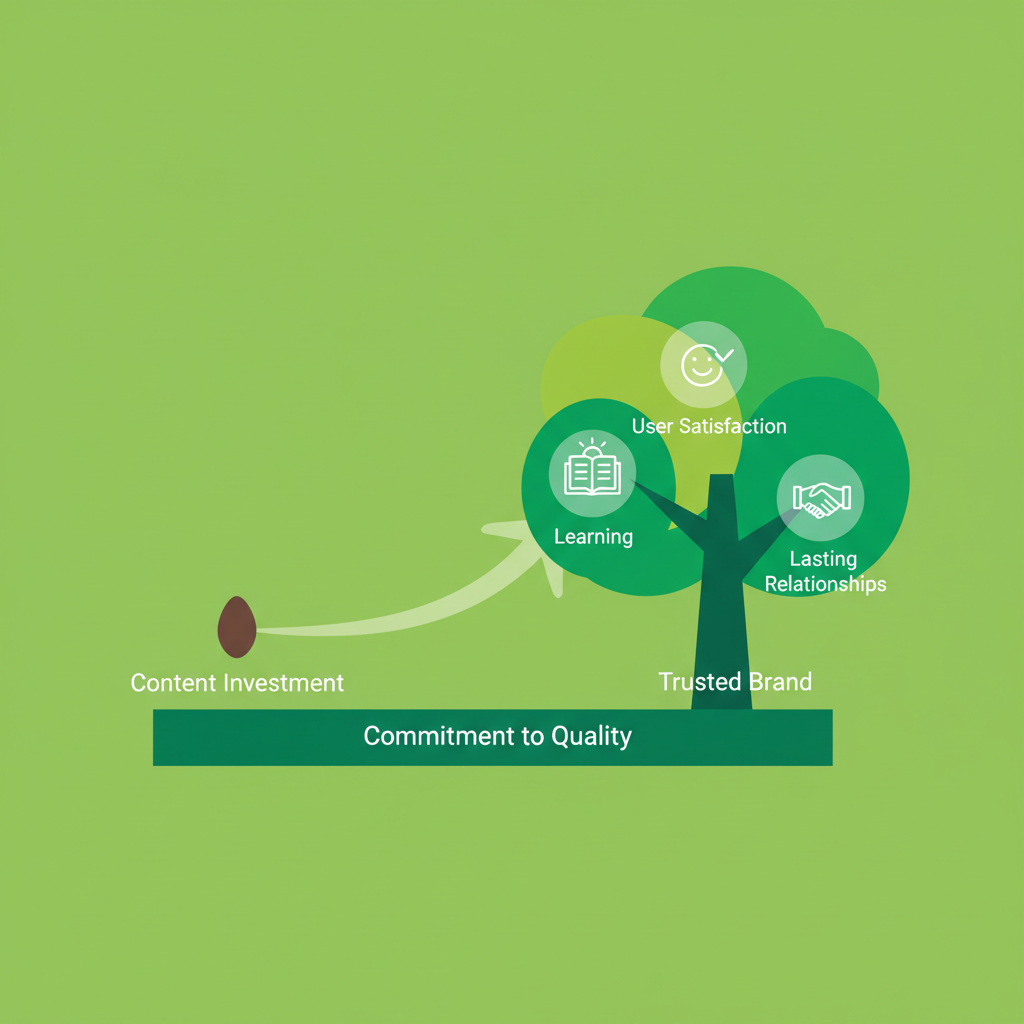
A successful health and wellness content marketing strategy is far more than a collection of SEO tactics or social media posts. It is a foundational commitment to your audience—a promise to provide them with empathetic, expert-driven, and trustworthy information that serves their well-being above all else.
The link between the quality of your content and the trust you earn is direct and undeniable. As research shows, consumer trust in digital health information is positively influenced by its quality. When you consistently deliver excellence, you build an unshakeable foundation of credibility that marketing gimmicks can never replicate.
This is not a strategy for short-term wins. It is a long-term vision for building a brand that becomes a go-to resource, a trusted partner in the health journey of your audience. By offering genuinely valuable information, you can cultivate strong, lasting relationships that pay dividends in brand equity, loyalty, and positive impact for years to come.
Start today by auditing one piece of your existing content. Does it have a named expert reviewer? Does it cite at least two peer-reviewed sources? Answering these questions is the first step toward building a content strategy that truly earns trust.
Frequently Asked Questions
What is E-E-A-T and why is it crucial for health content?
E-E-A-T stands for Experience, Expertise, Authoritativeness, and Trustworthiness. It’s the framework Google uses to evaluate content, especially for high-stakes “Your Money or Your Life” (YMYL) topics like health. It’s crucial because it ensures content is reliable and safe, and meeting these standards is essential for ranking on search engines and building user trust.
How can a health brand build trust with a skeptical audience?
Brands can build trust by creating high-quality, evidence-based content. This involves using subject matter experts (like doctors or dietitians) to write or review content, citing credible sources like medical journals, and being transparent. The goal is to empower users with accurate information, shifting the focus from selling to serving.
What are some effective content formats for health and wellness marketing?
High-authority formats are most effective. These include long-form, evidence-based guides; expert interviews and Q&As; downloadable resources like whitepapers; and webinars with medical professionals. These formats allow for in-depth explanations and demonstrate a serious commitment to quality.