Your Guide to Video Marketing: Strategy, YouTube, and When to Hire an Agency
Key Takeaways
- Video marketing is a dominant force, with 91% of businesses using it due to its high return on investment.
- The core benefits of video include boosting audience engagement, driving higher conversion rates, building brand trust, and enhancing SEO performance.
- A powerful video marketing strategy is built on clear goals, a deep understanding of the target audience, and the right mix of video content types like explainers and testimonials.
- YouTube is the world’s second-largest search engine, making it a critical platform for video distribution that requires specialized optimization of thumbnails, keywords, and tags.
- Hiring a professional video marketing agency is a strategic decision to scale efforts and achieve better results when DIY methods become too time-consuming or fail to deliver.
Table of Contents
- The Core Benefits: Why Video Marketing Matters in Today’s Landscape
- Your Step-by-Step Guide to a Powerful Video Marketing Strategy
- Mastering Distribution: The Unmatched Power of YouTube Marketing
- The Crossroads: DIY Video vs. Hiring a Professional Agency
- The Agency Advantage: What a Video Marketing Agency Delivers
- Conclusion: Your Next Step in Video Marketing
- Frequently Asked Questions (FAQ)
In today’s digital world, getting your message heard is harder than ever. People are busy, and their attention is short. This is where video marketing comes in. It’s no longer just a trend; it’s a powerful tool that businesses of all sizes are using to connect with their audience. In fact, a recent report shows that a staggering 91% of businesses are now using video as a marketing tool.
So, what exactly is effective video marketing? It’s the simple act of using videos to promote and sell your product or service. This can include anything from sharing your brand’s story to showing customers how to use a product. The goal is to engage your audience, teach them something valuable, and build a relationship that leads to trust and sales.
The proof is in the results. An overwhelming 92% of marketers who use video say it gives them a good return on their investment (ROI). It works because it grabs attention, tells a story, and makes a real connection.
In this guide, we will walk you through everything you need to know. You will learn what makes video marketing so effective, how to build a winning strategy from scratch, how to use the power of YouTube, and how to decide if it’s time to partner with a professional agency to take your business to the next level.
The Core Benefits: Why Video Marketing Matters in Today’s Landscape

Understanding why video works is the first step to using it well. Video isn’t just a “nice-to-have” part of your marketing plan; it’s a vital engine for growth. It connects with modern customers in a way that text and images simply can’t. Let’s break down the key benefits that make this visual medium so powerful.
Boost Engagement and Message Retention
Video is dynamic. The combination of moving pictures, sound, and storytelling makes it incredibly engaging. People are naturally drawn to motion and faces, which makes video content much more likely to be watched and shared than a static post.
This high level of engagement means your message is more likely to stick. Think about it: are you more likely to remember a long page of text or a short, interesting video? Research confirms that viewers retain 95% of a message when they get it from a video. When your audience remembers what you say, they are more likely to act on it. Furthermore, on social media platforms, posts with video get 48% more views, proving they are the best way to cut through the noise.
Drive Higher Conversion Rates
More engagement is great, but businesses need sales. This is where video marketing truly shines. Videos can directly lead to more leads and sales by showing your product in action and building excitement.
Placing a video on a landing page can be a game-changer. Studies show that including a video on a landing page can increase conversion rates by up to 80%. Why? Because a video can explain a product’s value much faster and more persuasively than text. It answers questions, overcomes objections, and gives customers the confidence they need to make a purchase. In fact, a huge 88% of people say they have been convinced to buy a product or service after watching a brand’s video.
Build Unbreakable Brand Trust
Trust is the foundation of any good customer relationship. Video is one of the best tools for building that trust because it humanizes your brand. When customers can see the people behind the company, hear from other happy clients, or get a peek behind the scenes, they feel a more personal connection.
Customer testimonial videos are especially powerful. They provide social proof that your product or service delivers on its promises. Product demonstration videos also build trust by transparently showing how something works, what its features are, and the benefits it offers. This authenticity helps customers feel more comfortable choosing your brand over a competitor.
Enhance Your SEO Performance
Everyone wants to be on the first page of Google. Video can help you get there. Search engines like Google love video because it keeps people on a website for longer. This “dwell time” is a signal to Google that your page has valuable content, which can boost your search ranking.
The impact is significant. Having a video on a landing page makes it 53% more likely to show up on the first page of Google’s search results. By creating videos optimized with the right keywords in the title and description, you create new opportunities for your brand to be discovered by people actively searching for your solutions.
Align with Modern Consumer Behaviour
The way people consume content has changed. We live in a world of smartphones and fast internet, and video has become the preferred way to learn and be entertained. The statistics are clear: the average person was predicted to spend 100 minutes per day watching online videos in 2023.
Businesses need to meet customers where they are, and right now, they are watching videos. When asked how they would most like to learn about a product, 73% of people said they’d prefer to watch a short video, compared to just 11% who would rather read an article.
Videos are also highly shareable. Research shows that people are twice as likely to share video content with their friends than any other type of content. This viral potential can expand your reach far beyond your existing audience, bringing new customers to your door for free.
Your Step-by-Step Guide to a Powerful Video Marketing Strategy

A great video is only effective if it’s part of a smart plan. A video marketing strategy is your roadmap to success. It ensures that every video you create has a purpose and works toward achieving your business goals. Without a strategy, you risk wasting time and money on content that doesn’t deliver results. Here’s how to build a powerful strategy, step by step.
Step 1: Define Your Goals and KPIs
Before you even think about hitting the record button, you need to know what you want to achieve. Every video you make must have a clear purpose. Are you trying to reach more people, get more leads, or make more sales?
Common goals for video marketing include:
- Brand Awareness: Introducing your brand to a new audience.
- Lead Generation: Capturing contact information from potential customers.
- Sales: Convincing viewers to buy your product or service.
- Customer Engagement: Building a loyal community around your brand.
Once you have your goal, you need a way to measure success. These measurements are called Key Performance Indicators (KPIs). For video, important KPIs include:
- View Count: How many people watched your video.
- Play Rate: The percentage of people who clicked “play” after seeing your video thumbnail.
- Completion Rate: The percentage of viewers who watched your entire video.
- Click-Through Rate (CTR): The percentage of viewers who clicked on a link in your video.
- Conversion Rate: The percentage of viewers who took a desired action (like signing up or buying).
Step 2: Identify and Understand Your Target Audience
You can’t create a compelling video if you don’t know who you’re talking to. Your target audience is the group of people most likely to be interested in your product or service. To understand them better, create detailed buyer personas.
A buyer persona is a fictional character that represents your ideal customer. It should include details like:
- Demographics: Age, location, job title.
- Interests: Hobbies and topics they care about.
- Pain Points: The problems or challenges they face that your product can solve.
Knowing your audience will guide every decision you make, from the video’s tone (professional and serious vs. fun and casual) to its style and message. A video for a young gamer will look and sound very different from a video for a corporate executive.
Step 3: Plan Your Video Content Types
Not all videos are created equal. Different types of videos work best for different goals. Planning your content means choosing the right format to deliver your message effectively.
Here are some of the most popular and effective video formats:
- Explainer Videos: These short, animated videos are perfect for explaining a complex product or service in a simple way. They are incredibly popular; in fact, 98% of people have watched an explainer video to learn more about a product.
- Tutorials/How-To Videos: These videos provide practical value by teaching your audience how to do something or solve a problem. They position your brand as a helpful expert and are great for building trust.
- Customer Testimonials: Let your happy customers do the selling for you. Featuring real clients sharing their positive experiences is a powerful form of social proof that builds credibility and overcomes skepticism.
- Behind-the-Scenes Videos: These videos give your audience a look at your company culture, your team, or how your products are made. They humanize your brand and help build a stronger, more personal connection with viewers.
Step 4: A Primer on Production & Editing
You don’t need a Hollywood budget to create professional-looking videos. With a few basic tools and techniques, you can produce high-quality content that gets results.
Focus on these two key areas:
- Lighting: Good lighting is the most important element of a professional video. You don’t need expensive equipment; the best and cheapest option is often natural light from a window. Make sure your subject is facing the light source, not backlit by it.
- Audio: Believe it or not, clear audio is more critical than perfect video quality. Viewers will forgive a slightly blurry image, but they won’t stick around for crackly, hard-to-hear sound. Avoid using your camera’s built-in microphone. Instead, invest in an affordable external microphone that can plug into your camera or smartphone.
When it comes to editing, there are many user-friendly tools available. Software like Canva, iMovie (for Apple users), or Adobe Premiere Rush makes it easy to trim clips, add text, and include music. The goal is a clean, polished final product that is easy to watch.
Mastering Distribution: The Unmatched Power of YouTube Marketing

Creating a great video is only half the battle. If no one sees it, it can’t deliver results. That’s why your distribution plan—how you share your video with the world—is just as important as the video itself. And when it comes to video distribution, one platform stands above all others: YouTube.
Why YouTube is a Critical Part of Your Video Marketing
YouTube is a giant. It’s not just a place to watch funny cat videos; it’s the world’s second-largest search engine, right after Google itself. With over 2.7 billion monthly active users, the platform offers an incredible opportunity to reach a massive and engaged audience.
When people have a question or want to learn how to do something, they often turn to YouTube for answers. By creating helpful and informative videos, you can position your brand in front of potential customers at the exact moment they are looking for solutions. This makes YouTube a cornerstone of any serious video marketing strategy.
Understanding YouTube Marketing as a Specialized Skill
Simply uploading your video to YouTube is not enough. YouTube marketing is the specific process of creating, optimizing, and promoting videos on the YouTube platform to achieve your business goals. It’s a specialized skill that goes beyond basic video production.
Effective youtube marketing involves understanding how the platform’s algorithm works, knowing how to get your videos discovered through search, and building a loyal community of subscribers. It’s a long-term strategy that focuses on growing your channel, driving views and engagement, and ultimately sending traffic from YouTube back to your website.
Actionable Tips for YouTube Optimization
To succeed on YouTube, you need to optimize your videos to help the platform understand what they’re about and show them to the right audience. Here are four key tips to get you started:
- Keyword Research: Just like with Google, you need to know what your audience is searching for. Use tools like Google Trends or simply type ideas into the YouTube search bar and see what auto-complete suggests. Once you find your keywords, include them in your video’s title, description, and tags.
- Compelling Thumbnails: Your video’s thumbnail is like the cover of a book. It’s the first thing people see, and it needs to grab their attention. Create custom, high-contrast thumbnails with bold text and clear images that make people want to click. A good thumbnail accurately represents the video’s content while creating curiosity.
- Effective Tagging: Tags are another way to tell YouTube’s algorithm what your video is about. Use a mix of broad tags (like “digital marketing”) and specific, long-tail tags (like “how to set up Google Analytics 4 for a new website”). This helps YouTube categorize your video and show it to people interested in those topics.
- Community Engagement: YouTube rewards channels that have an active community. Encourage viewers to comment by asking questions in your videos. Make sure to respond to comments, pin a top comment to the top of the feed, and thank your audience for their engagement. This interaction signals to YouTube that your content is valuable and engaging, which can help it rank higher.
The Crossroads: DIY Video vs. Hiring a Professional Agency
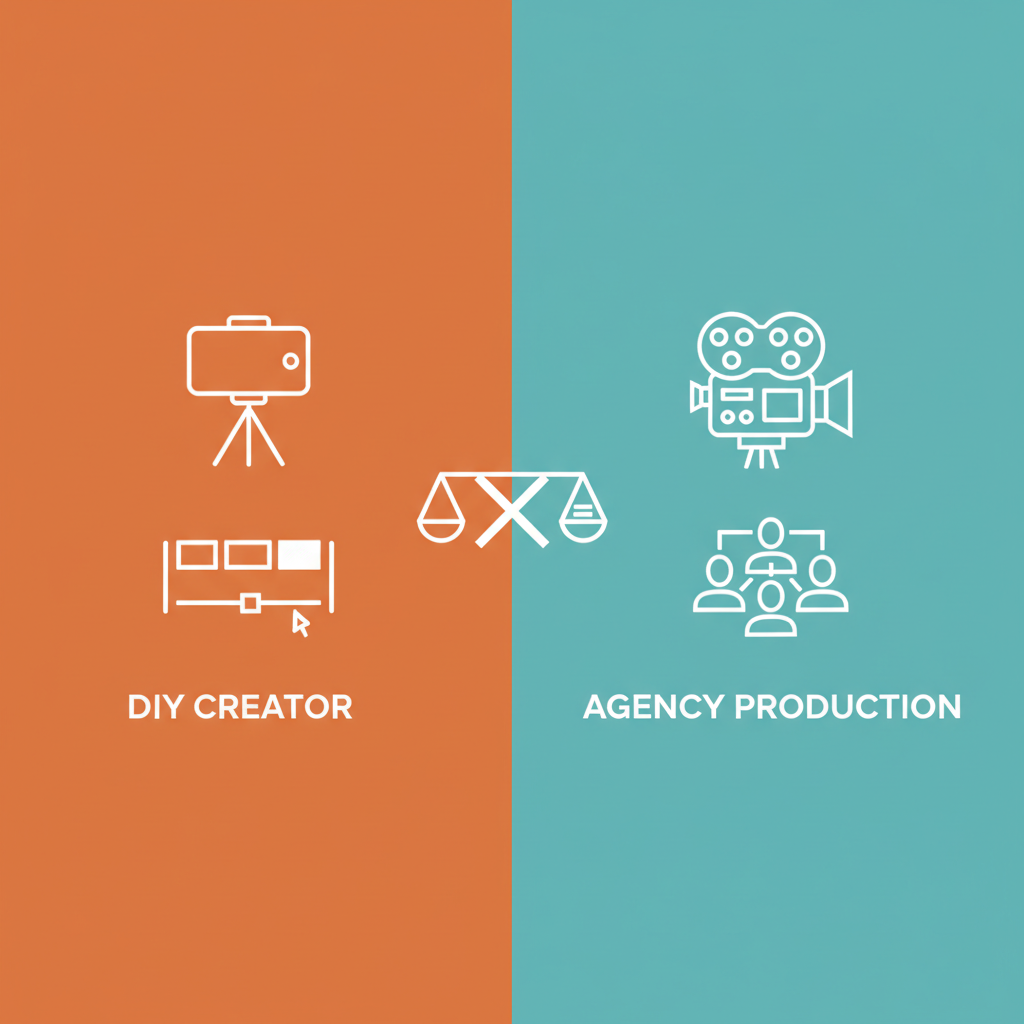
The steps to creating a video marketing strategy might seem straightforward, but putting them into practice can be challenging. Many businesses start with a do-it-yourself (DIY) approach, which can be a great way to learn. However, as your business grows, you may reach a point where doing everything in-house is no longer the best option.
This is a common crossroads: should you continue to handle your video marketing on your own, or is it time to hire a professional video marketing agency?
The Hidden Challenges of DIY Video Marketing
Creating effective video content consistently is harder than it looks. Business owners and marketing teams who try the DIY route often run into the same roadblocks.
- Time Commitment: Video production is incredibly time-consuming. From brainstorming ideas and writing scripts to filming, editing, and promoting the final product, the hours add up quickly. This can pull you and your team away from other important business tasks.
- Resource Intensive: While you can start with a smartphone, producing consistently high-quality videos often requires specialized equipment. This includes professional cameras, lighting kits, microphones, and powerful editing software. These resources come with a cost and a steep learning curve.
- Consistency is Key: To build an audience and see real results from video marketing, you need to publish content on a regular schedule. For a busy internal team with many competing priorities, maintaining this consistency is one of the biggest challenges.
Checklist: When to Hire a Video Marketing Agency
Deciding to hire a video marketing agency is not a sign of failure; it’s a strategic business decision to scale your efforts and get better results. If you find yourself nodding along to the challenges above, it might be time to bring in the experts.
Here is a checklist to help you decide:
- ✅ You lack the in-house expertise, equipment, or software needed for professional video production and marketing.
- ✅ Your current DIY video marketing efforts are not delivering the results you want (e.g., low views, poor engagement, no new leads).
- ✅ You need to produce more video content to keep up with your business growth and marketing goals.
- ✅ You require broadcast-quality videos for a high-profile advertising campaign, a major product launch, or TV commercials.
- ✅ You want to free up your internal team so they can focus on their core responsibilities and what they do best.
If you checked one or more of these boxes, partnering with an agency could be the key to unlocking your video marketing potential.
The Agency Advantage: What a Video Marketing Agency Delivers
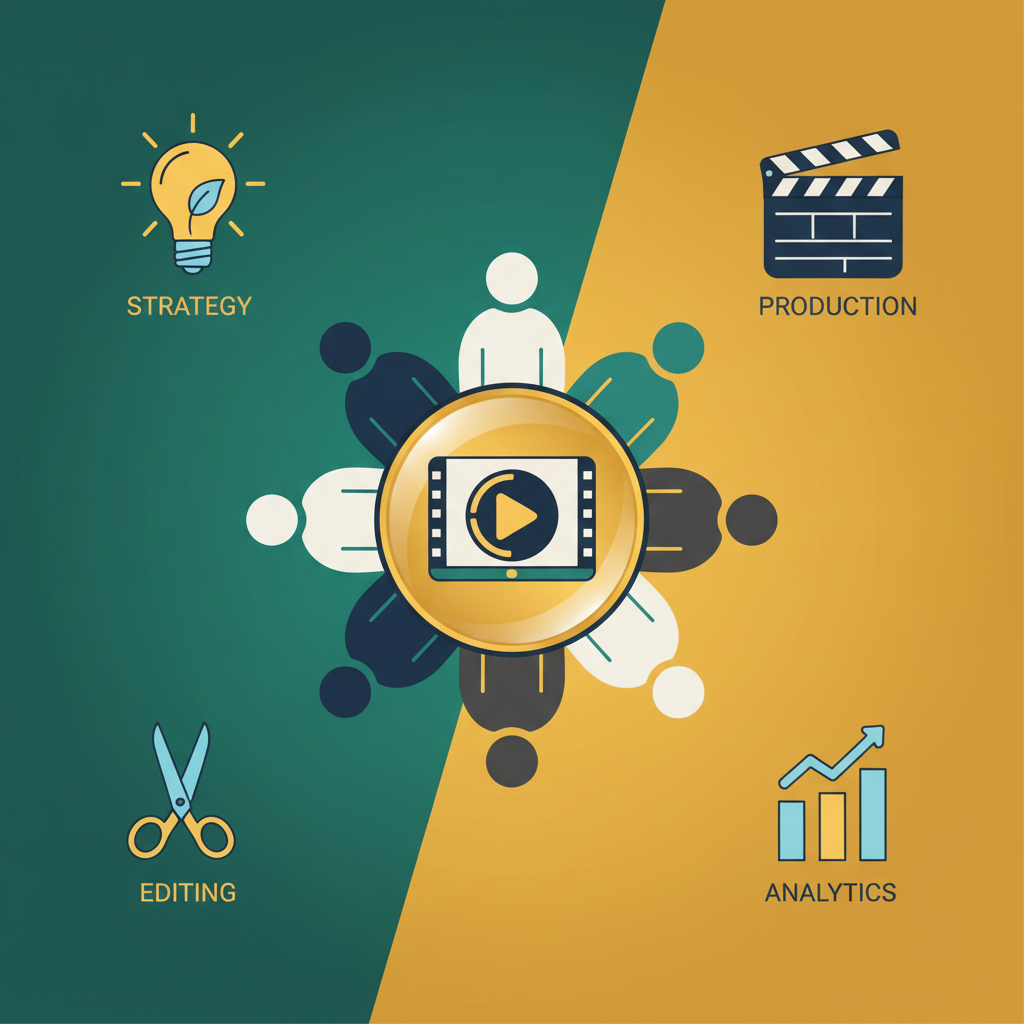
When you partner with a professional agency, you’re not just buying a video; you’re investing in a team of experts dedicated to your success. A good video marketing agency brings strategy, creativity, and technical skill to the table, handling the entire process from start to finish so you can focus on running your business.
Comprehensive Services from a Video Marketing Agency
A full-service agency offers end-to-end solutions to ensure your video marketing is effective and aligned with your business objectives. Their services typically include:
- Strategy Development: They start by understanding your goals and your audience to create a complete video strategy. This plan outlines what types of videos to create, where to distribute them, and how to measure success.
- Scriptwriting & Storyboarding: The team’s creative writers craft compelling scripts that tell your brand’s story and connect with viewers emotionally. Storyboards visually map out each shot, ensuring a smooth and professional final product.
- Professional Production: They handle all the technical aspects of filming. This includes providing a professional crew, high-end cameras, lighting, sound equipment, and experienced directors to guide the shoot.
- Post-Production: This is where the magic happens. Professional editors assemble the footage, add graphics, animations, and music, and perfect the color and sound to create a polished, engaging video.
- Analytics & Reporting: An agency doesn’t just deliver a video and walk away. They track key metrics, analyze the video’s performance, and provide detailed reports. These insights help you understand what’s working and how to optimize future campaigns for an even better ROI.
The ROI of Expertise
Hiring a video marketing agency shouldn’t be seen as a cost but as an investment in growth. The expertise an agency brings leads to higher-quality videos that are more engaging and effective at converting viewers into customers. This often results in a much better return on investment than inconsistent DIY efforts.
Beyond the financial return, there is also a significant time savings. By outsourcing the entire video production process, you and your team are free to focus on your core business operations, safe in the knowledge that your video marketing is in expert hands.
The Specialist: The Role of a YouTube Marketing Agency
For businesses that are serious about winning on YouTube, a specialized youtube marketing agency can be an invaluable partner. While many video agencies offer YouTube services, a specialist agency lives and breathes the platform.
A youtube marketing agency has deep, specific knowledge of the YouTube algorithm, audience growth strategies, and the unique content formats that perform best. They focus on the nuances of channel optimization, thumbnail design, tagging strategies, and community management—all of which are critical for success in the competitive world of youtube marketing. They can turn your channel from a simple video library into a powerful lead-generation machine.
Conclusion: Your Next Step in Video Marketing
We’ve covered a lot of ground, but the main takeaway is simple: video marketing is one of the most powerful and essential tools available for growing a modern business. It grabs attention, builds trust, and drives real results.
From understanding its core benefits to building a solid strategy and leveraging the immense power of YouTube, you now have the foundational knowledge to succeed. You also know that when you’re ready to scale your efforts and demand professional quality, expert help is available.
The next step is up to you.
If you’re ready to get started on your own:
Use the step-by-step guide in this post to start planning your first video campaign today!
If you want to accelerate your growth with expert strategy and production:
Contact our video marketing agency for a free consultation and let’s bring your vision to life.
Frequently Asked Questions (FAQ)
How long should a marketing video be?
It depends on the platform and the goal. For social media platforms like Instagram or TikTok, shorter videos (under 2 minutes) perform best to capture attention quickly. For educational content like tutorials or in-depth explainers on YouTube, longer videos can be very effective as long as the content remains valuable and engaging throughout.
Do I need expensive equipment to start video marketing?
Not at all. You can start creating quality content with a modern smartphone. However, the one area where a small investment makes a huge difference is audio. Clear, crisp sound is more important than perfect video quality. An affordable external microphone is highly recommended, as poor audio can quickly cause viewers to lose interest.
What’s the difference between a video marketing agency and a YouTube marketing agency?
A video marketing agency typically provides comprehensive services for creating video content for various platforms—from TV commercials to social media ads. A YouTube marketing agency is a specialist that focuses exclusively on the YouTube platform. They have deep expertise in YouTube’s algorithm, channel optimization, audience growth strategies, and monetization to turn a channel into a lead-generating asset.