SEO Marketing: Why You Should Care About Inbound Strategy and Online Lead Generation

Key Takeaways
- SEO is the foundation of inbound marketing: It focuses on attracting customers who are already searching for your solutions, leading to more qualified leads.
- Higher ROI and Lower Costs: Inbound leads generated through SEO cost significantly less (up to 61% less) and deliver a higher return on investment compared to traditional outbound marketing.
- Builds Long-Term Assets: SEO-optimized content becomes a sustainable asset that continuously drives traffic and leads for years, unlike paid ads that stop when you stop paying.
- Strategy is Non-Negotiable: Effective SEO and inbound marketing require a comprehensive, data-driven strategy to align content with business goals and ensure measurable results.
Table of Contents
- What Exactly is SEO Marketing?
- The Perfect Partnership: SEO and Inbound Marketing
- From Clicks to Customers: How SEO Drives Online Lead Generation
- The Architect: Why Strategy is Key to SEO & Inbound Success
- The Real-World Benefits of SEO-Driven Inbound Marketing
- Conclusion: Start Attracting, Not Chasing, Your Customers
- Frequently Asked Questions (FAQ)
In today’s crowded digital world, the biggest challenge in marketing your business isn’t having a great product or service. It’s getting found by the right customers at the exact moment they need you. This is where SEO marketing shifts from a “nice-to-have” to a non-negotiable part of your entire business strategy.
Search Engine Optimization, or SEO, is a top priority for modern businesses for a reason. In fact, for many marketers, SEO is a major focus, with 29% listing it as a top trend they leverage in their work. Its power is undeniable when compared to other channels; a well-executed SEO strategy can bring in over 1,000% more traffic than organic social media.
But SEO marketing is more than just a technical checklist of keywords and code. It’s the foundation of a powerful inbound marketing philosophy. Instead of interrupting people with ads they don’t want, you create a digital presence that attracts customers who are already searching for the solutions you provide.
This guide will show you exactly how SEO and inbound marketing work together to drive powerful online lead generation and create sustainable, long-term growth. It’s no wonder that improving SEO and growing an organic presence is the top inbound marketing priority for 61% of marketers. Let’s explore why.
What Exactly is SEO Marketing?
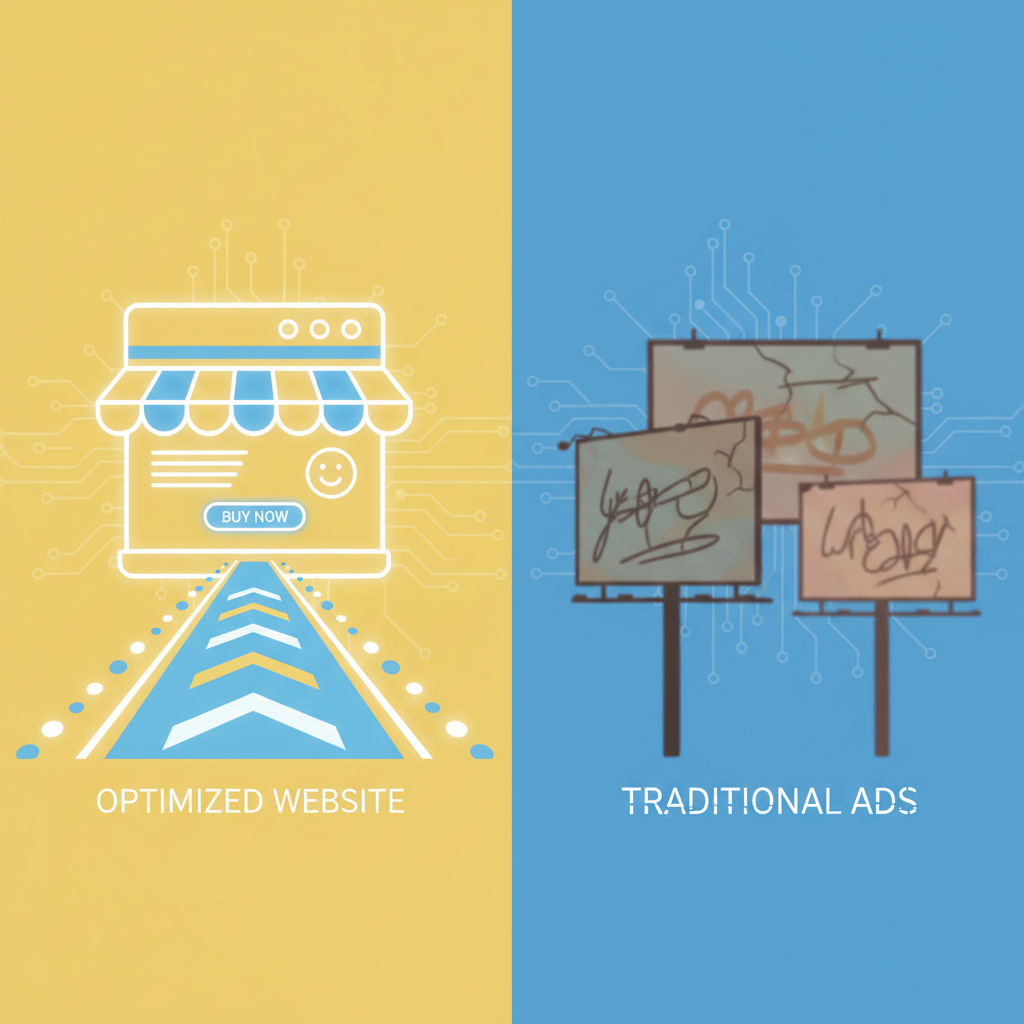
SEO marketing is the strategic process of optimizing your website and its content to rank higher in search engine results pages (SERPs) on platforms like Google. The goal is to appear prominently when your target audience searches for the keywords and phrases related to your business.
Think of it like this: the internet is a massive, busy city, and your website is your digital storefront. SEO is the art and science of making your storefront the most visible, appealing, and easy to find on the most important streets.
This approach is fundamentally “inbound.” As experts note, inbound SEO is the process of optimizing marketing content to rank higher in search results, making it easy for an audience to find and engage with it. It’s about attracting people who are already looking for you, rather than shouting at those who aren’t.
This is the key difference between SEO and traditional outbound marketing methods like cold calls, direct mail, or print ads. Outbound marketing interrupts potential customers in their daily lives, hoping to catch their attention. SEO helps them at the exact moment they are actively seeking solutions.
The results of this difference are staggering. Data shows that leads generated from SEO have a 14.6% close rate, while outbound leads, like those from print ads, have a much lower close rate of just 1.7%. By meeting customers where they are, you connect with a more motivated and qualified audience.
Ultimately, the purpose of search engine optimization is clear and tied to business results.
“The goal of SEO is to drive organic traffic, improve search rankings, and ultimately generate leads and conversions for a business.”
The Perfect Partnership: SEO and Inbound Marketing
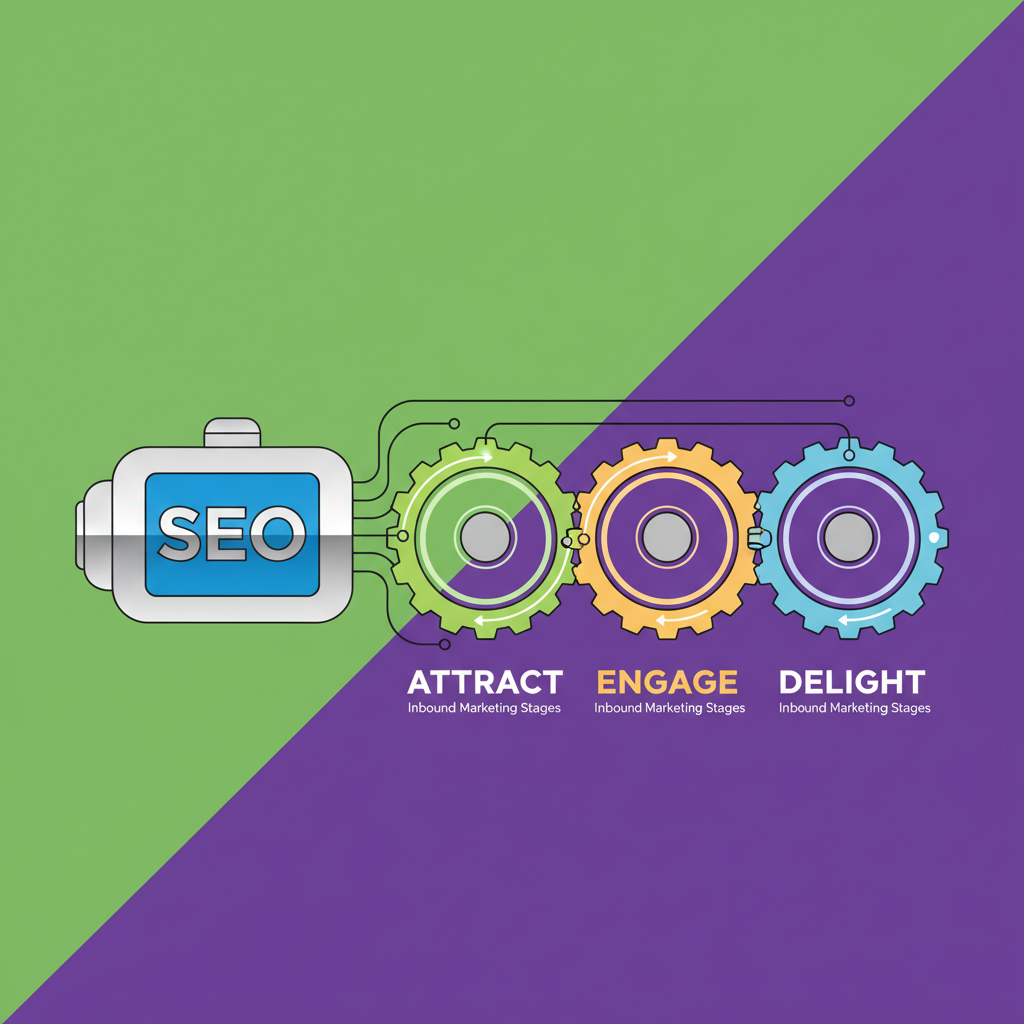
To truly understand the power of SEO marketing, you have to see it within the larger framework of inbound marketing. Inbound marketing is a holistic business methodology designed to build meaningful, lasting relationships with customers by providing value at every stage of their journey.
This journey is typically broken down into three stages:
- Attract: Drawing in the right people with valuable content and conversations that establish you as a trusted advisor.
- Engage: Presenting insights and solutions that align with their pain points and goals, making it easy for them to buy from you.
- Delight: Providing help and support to empower your customers to find success with their purchase.
SEO marketing is the undisputed engine of the “Attract” stage. Without a strong SEO foundation, even the most helpful blog posts, insightful guides, or engaging videos will remain invisible to the very audience that needs them most. You can create the best content in the world, but if no one can find it, it can’t help your business grow.
This is why SEO is a vital tool for inbound marketing that helps marketers enhance brand visibility and attract more qualified leads. The two are not separate strategies; they are deeply intertwined, with SEO acting as the magnet that pulls potential customers into your inbound flywheel.
Marketers are keenly aware of this critical connection. As mentioned before, a significant 61% of marketers say that improving their SEO and organic presence is their number one inbound marketing priority.
This partnership isn’t about attracting just any traffic; it’s about attracting the right traffic. By researching and targeting the specific keywords your ideal customers use, you ensure that the visitors arriving on your site are genuinely interested in your solutions. This naturally leads to higher-quality leads.
In fact, according to 60% of marketers, inbound strategies such as SEO and blog content are responsible for bringing in the highest quality leads for their business.
From Clicks to Customers: How SEO Drives Online Lead Generation

So, how does this powerful combination of SEO and inbound marketing translate into tangible business results? The answer lies in a clear, repeatable process that turns a simple search query into a valuable lead. This is the core of online lead generation.
Here’s how the process works, step by step:
Step 1: Uncovering Customer Intent with Keyword Research
It all begins with understanding. Before you write a single word, you must know what your potential customers are typing into Google. This isn’t guesswork; it’s a data-driven process called keyword research. You use specialized tools to identify the questions, problems, and topics your audience is searching for, along with the specific phrases they use. This insight is the blueprint for your entire content strategy.
Step 2: Creating Valuable, Search-Optimized Content
Once you know what your audience is asking, you can create high-quality content that directly answers their questions. This content can take many forms: blog posts, in-depth guides, how-to articles, case studies, or free tools. The key is to provide genuine value. A well-maintained blog is particularly powerful, as research shows that websites with active blogs get 97% more inbound links. These links, also known as backlinks, are a crucial ranking factor for search engines like Google, signaling that your content is trustworthy and authoritative.
Step 3: Converting Traffic into Leads
Getting a visitor to your website is only half the battle. The next step is to convert that anonymous visitor into a known lead. This is where the “Engage” stage of inbound marketing comes into play. Within your valuable content, you place clear calls-to-action (CTAs). These CTAs prompt the reader to take the next step, such as downloading a more detailed e-book, signing up for a webinar, or requesting a free consultation.
The CTA leads them to a dedicated landing page where they provide their contact information (like an email address) in exchange for the valuable offer. This is the precise moment of online lead generation. You have successfully turned a searcher into a potential customer.
It’s important to have realistic expectations for this process. Not every visitor will convert. Across industries, the average conversion rate for organic search traffic is typically between 2% and 5%.
The numbers can vary slightly depending on the audience. For example, the average conversion rate for B2B organic search traffic is 2.6%, while for B2C it is 2.1%. Even at these rates, the consistent flow of traffic from SEO can generate a predictable stream of new leads for your business.
Overall, the data is clear: inbound marketing practices generate 54% more leads than traditional outbound practices, making this a far more efficient and effective engine for growth.
The Architect: Why Strategy is Key to SEO & Inbound Success
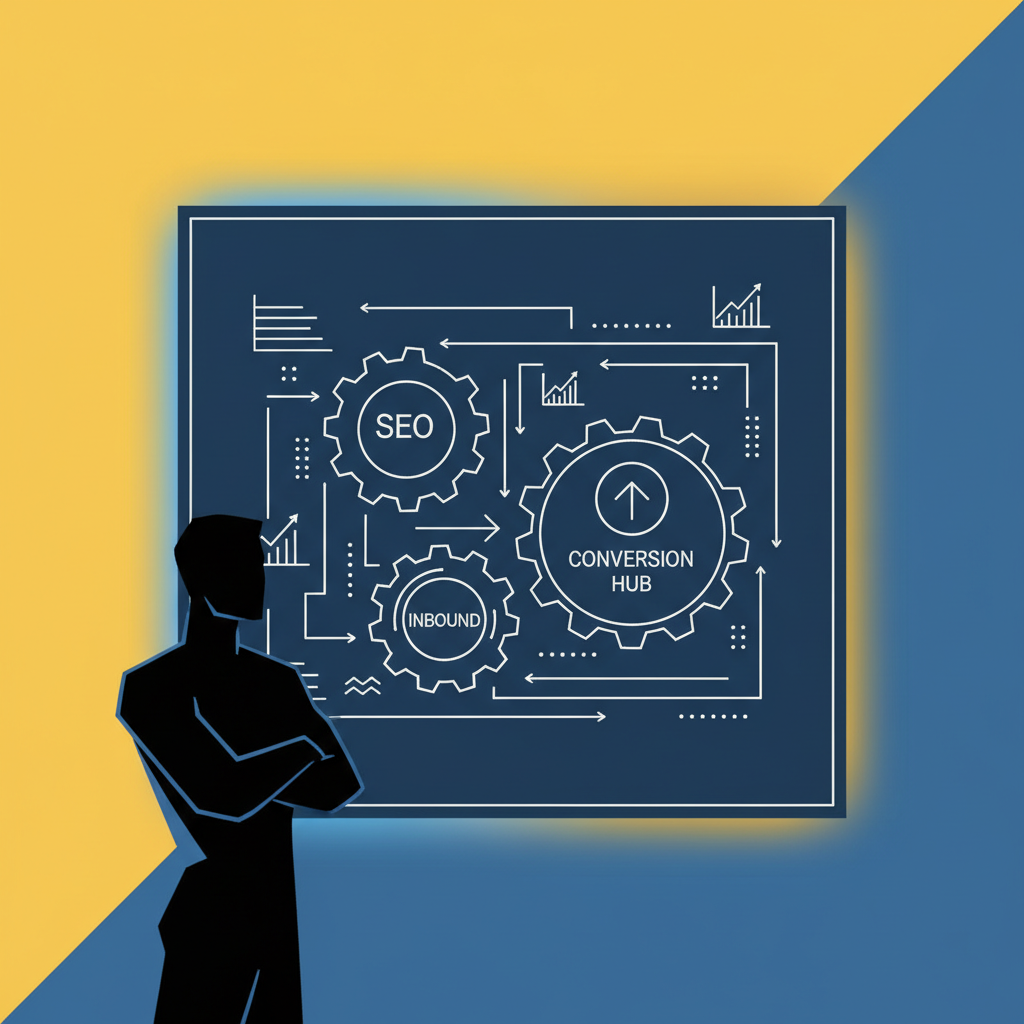
A successful, integrated seo marketing and inbound marketing plan doesn’t happen by accident. It isn’t a matter of simply publishing a few blog posts and hoping for the best. It requires a deliberate, data-driven plan designed, executed, and refined by a professional: the digital marketing strategist.
This person is the architect of your online growth. They are responsible for looking at the big picture and ensuring that all the individual tactics—from keyword research and content creation to technical SEO and link building—work together to achieve specific business goals.
The key responsibilities of a digital marketing strategist include:
- Conducting Audits: The process begins with a deep dive into your current digital presence. The strategist analyzes your website’s technical health, evaluates your existing content, and benchmarks your performance against key competitors to identify opportunities and weaknesses.
- Developing Strategy: Based on the audit and your business objectives, the strategist creates a long-term roadmap. This plan outlines which keywords to target, what content to create, and how to promote it to achieve goals like “increase qualified leads by 20% in the next six months.”
- Overseeing Execution: A strategist doesn’t just create the plan; they manage its implementation. This involves coordinating with content writers, web developers, and outreach specialists to ensure that every part of the strategy is executed to a high standard.
- Analyzing Performance: Strategy is an iterative process. The digital marketing strategist constantly tracks key metrics like organic traffic, keyword rankings, conversion rates, and return on investment (ROI). This data tells them what’s working and what isn’t, allowing for continuous refinement.
This is not a role based on guesswork or intuition. As experts rightly point out, a successful strategy is not accidental; both SEO and inbound marketing rely on data analysis to be refined, using insights from keyword performance, site traffic, and user behavior to make informed decisions.
The Real-World Benefits of SEO-Driven Inbound Marketing
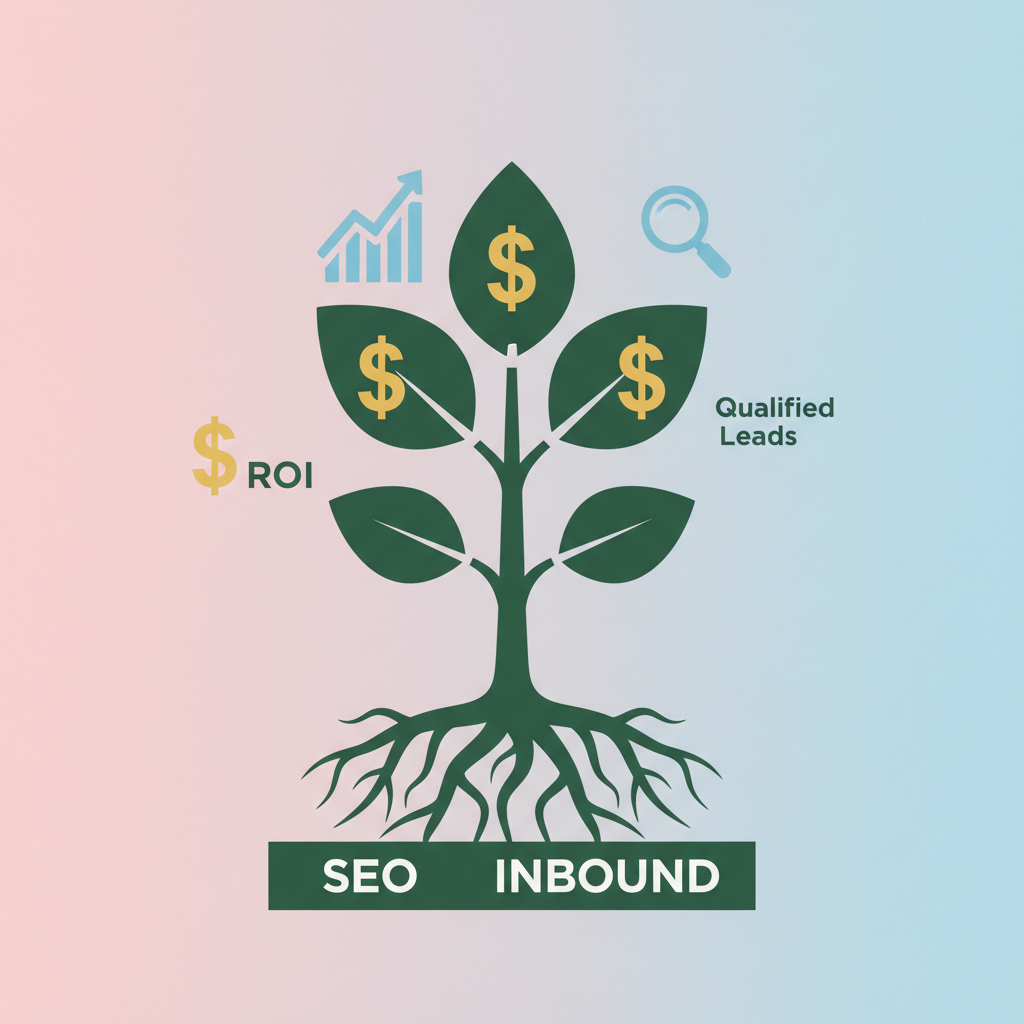
At the end of the day, what does this all mean for your business? For anyone focused on marketing your business effectively, embracing an SEO-driven inbound strategy delivers tangible, long-lasting results. Let’s break down the most powerful benefits.
Benefit 1: Builds Lasting Brand Authority and Trust
When your website consistently appears at the top of search results for questions related to your industry, it sends a powerful message. It positions your brand as a credible, authoritative leader. Over time, this visibility builds trust with your audience long before they ever decide to make a purchase. A strong, long-term SEO strategy builds brand authority and trust that becomes a competitive advantage.
Benefit 2: Creates a Long-Term, Sustainable Asset
Paid advertising on platforms like Google or Facebook is like renting an audience. The moment you stop paying, your traffic disappears. SEO-driven content is different. It’s a digital asset that you own. A well-ranking blog post can continue to attract traffic, generate leads, and build your brand for years to come with minimal ongoing investment. This makes SEO a long-term strategy that steadily increases a business’s online presence and drives sustainable growth.
Benefit 3: Delivers an Unbeatable Return on Investment (ROI)
While SEO requires an upfront investment of time and resources, its long-term payoff is unmatched. The value of the organic traffic and leads it generates over time far outweighs the initial cost. In fact, some analyses show that SEO has an average return on investment of 748%.
When compared directly to outbound methods, the financial case is even stronger. A survey of marketers found that 46% report that inbound marketing provides a higher ROI, compared to only 12% who say the same for outbound marketing.
Benefit 4: Generates More Qualified, Cost-Effective Leads
This approach naturally attracts customers who are already problem-aware and actively seeking solutions. They are further down the buying funnel and more qualified than someone who was interrupted by an ad. This is why 60% of marketers state that inbound marketing strategies like SEO produce the highest numbers of quality leads.
Not only are these leads higher quality, but they are also significantly more affordable to acquire. By leveraging organic channels, you reduce your reliance on expensive paid advertising. On average, inbound leads cost 61% less than outbound leads, freeing up your marketing budget for other growth initiatives.
Conclusion: Start Attracting, Not Chasing, Your Customers
In the modern digital marketplace, the old rules of marketing no longer apply. Interrupting potential customers is an expensive and inefficient way to grow. The future belongs to businesses that earn attention by providing value.
SEO marketing is not just another digital tactic; it is the essential engine that powers a successful inbound marketing strategy. It is the mechanism that connects your valuable expertise with the customers who are actively searching for it.
By embracing this fundamental shift in approach, you move from pushing your message out to pulling customers in. Instead of chasing leads, you build a system where SEO is designed to bring you customers who are already actively looking for the solutions you offer.
The evidence is overwhelming. When executed correctly, a properly planned inbound strategy is ten times more effective at converting leads than outbound strategies.
It’s time to stop chasing and start attracting. Evaluate your current marketing efforts and consider how an SEO-driven inbound approach could transform your business, build lasting assets, and create a predictable engine for growth.
Frequently Asked Questions (FAQ)
1. What is the main difference between SEO and traditional marketing?
The main difference is the approach. Traditional (outbound) marketing interrupts an audience with ads they may not be looking for. SEO (inbound) marketing focuses on attracting an audience that is already actively searching for solutions your business provides, resulting in more qualified and cost-effective leads.
2. How long does it take to see results from SEO?
SEO is a long-term strategy. While some minor results can be seen in a few weeks, significant improvements in traffic and lead generation typically take 4 to 6 months of consistent effort. The results are cumulative and build a sustainable asset for your business over time.
3. Can I do SEO myself, or do I need to hire a professional?
While you can learn and implement basic SEO practices, a comprehensive strategy that drives significant business growth often requires deep expertise. A professional or digital marketing strategist brings experience in technical SEO, competitive analysis, advanced keyword research, and data interpretation, which are critical for maximizing your return on investment.
4. Is SEO only about keywords?
No. While keywords are a fundamental component, modern SEO is much broader. It also includes technical aspects (like site speed and mobile-friendliness), user experience (how visitors interact with your site), content quality and authority, and building high-quality backlinks from other reputable websites.